
How I Cut Our Grocery Bill From $1,400 to $620 Without Couponing
Watching your grocery bill climb month after month while your paycheck stays the same creates real stress. As a mom, I know it feels like you’ve tried everything, but reducing your grocery spending from $1,400 to $620 monthly is achievable without spending hours clipping coupons or sacrificing the foods your family enjoys.
The strategies that actually work don’t require extreme measures or complicated systems. Instead, they focus on changing how you approach shopping and planning your meals with intention.
These aren’t the typical couponing strategies that demand hours of your time each week. I’ve learned that small, practical changes can make a huge difference for our families.
Transforming Shopping Habits to Combat Overspending
Strategic changes to how you approach grocery shopping can eliminate hundreds of dollars in wasteful spending each month. The most effective transformations involve creating accountability through lists and limiting exposure to temptation.
Why Shopping Lists Are Non-Negotiable
A shopping list serves as your financial guardrail at the grocery store. Without one, you’re vulnerable to marketing tactics designed to increase your cart total.
Creating your list starts with meal planning for the week ahead. Check your pantry, refrigerator, and freezer first to avoid buying duplicates.
Write down only the ingredients needed for planned meals plus essential staples. Treat your list as a strict boundary—if an item isn’t written down, it doesn’t go in your cart.
This simple rule helps you avoid impulse purchases that derail your budget. Digital lists on your phone work well for adding items throughout the week as you run out.
Paper lists can be just as effective if you prefer writing things down. Find the method that works best for you and stick with it every week.
Reducing Store Visits for Fewer Impulse Buys
Every trip to the grocery store represents another opportunity to overspend. Limiting visits to once per week dramatically reduces your exposure to unplanned purchases.
Consolidating shopping into a single trip requires better planning but pays off quickly. You’ll spend less on gas and reduce the temptation to grab convenience items during quick stops.
Stock up adequately during your main shopping trip so you won’t need mid-week runs for forgotten ingredients. Keep a running list throughout the week to capture everything you need in one visit.
Leveraging Cash Back Apps Like Ibotta
Cash back apps put money directly back in your pocket for groceries you’re buying anyway. Ibotta stands out as one of the most straightforward options for earning on everyday purchases.
The app works by offering rebates on specific products and brands. Before shopping, browse available offers and add relevant ones to your account.
After purchasing, scan your receipt to claim the rebate. A few dollars here and there can total $20-40 monthly without changing what you buy.
Some apps also offer bonuses for reaching purchase thresholds or referring friends. Link your loyalty cards to maximize savings across multiple programs simultaneously.
Smart Meal Planning and Strategic Budgeting
The foundation of cutting your grocery budget comes down to planning meals intentionally and making your existing food work harder for you. Building your weekly menu around what’s already available and what’s on sale eliminates unnecessary spending while reducing waste.
Reverse-Engineering Meals Around Sales and Pantry
Start by checking what you already have before planning anything else. Look through your freezer, pantry shelves, and refrigerator to identify proteins, grains, and produce that need to be used soon.
Next, review your store’s weekly sales flyer online. Match sale items with what’s already in your kitchen to create a foundation for your meal plan.
If chicken thighs are discounted and you have rice and frozen vegetables at home, that’s a complete meal without buying much. Create a simple list of 4-5 meals that use overlapping ingredients.
Buy proteins in bulk when they’re deeply discounted and freeze portions for future weeks. Your grocery budget becomes more predictable when you’re shopping sales cycles rather than impulse preferences.
Managing Your Grocery Budget Without Sacrificing Quality
Set a realistic weekly spending limit based on your monthly goal. For a $620 monthly target, that’s roughly $143 per week for a family of four.
Track these categories separately:
- Proteins and main ingredients
- Fresh produce
- Dairy and eggs
- Pantry staples and household items
Prioritize quality where it matters most to your family. You don’t need organic everything, but you might choose better cuts of meat on sale over processed convenience foods.
Store brands often match name-brand quality at 20-30% lower prices for items like flour, sugar, canned goods, and frozen vegetables. Buy seasonal produce when it’s cheapest and most flavorful.
Compare unit prices rather than package prices to identify genuine value. These small adjustments can add up to big savings over time.
Incorporating Leftovers and Reducing Food Waste
Plan only 4-5 dinners per week instead of seven. This built-in flexibility accounts for leftover nights and prevents overbuying ingredients that spoil.
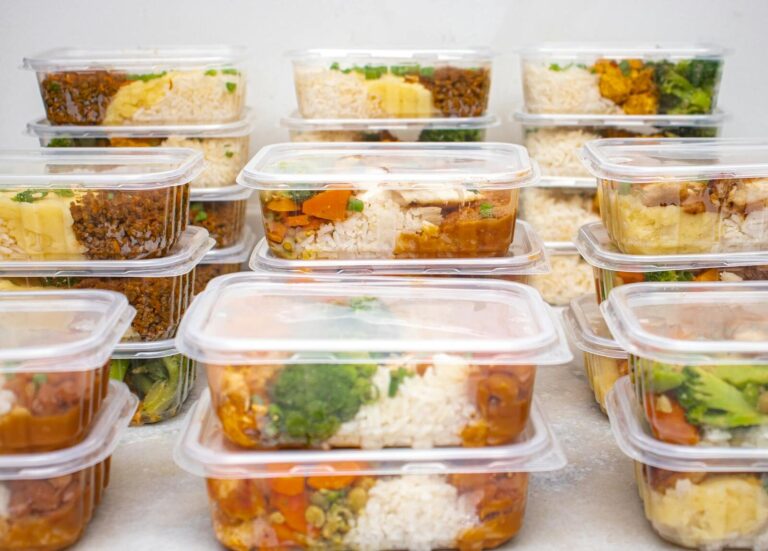
Intentionally cook larger portions of affordable meals like soups, casseroles, and grain bowls. These reheat well and often taste better the next day.
Leftover proteins become lunch salads, quesadillas, or fried rice components. Store vegetables properly to extend freshness and freeze extra portions before they go bad.
Repurpose vegetable scraps into broth and use wilting produce in smoothies or soups. Buy fresh produce in smaller quantities based on your actual meal plan rather than aspirational eating habits.
Chop excess vegetables and freeze them for future stir-fries or stews. Every ingredient you use completely instead of throwing away directly impacts your bottom line.
Maximizing Value With Bulk Buys, Store Brands, and Seasonal Choices
Switching to strategic purchasing habits can dramatically reduce your grocery spending. By focusing on bulk purchases for the right items, choosing store brands over premium labels, and timing your produce buys with the seasons, you can save hundreds each month without sacrificing quality.
Buying in Bulk: When It Saves and When It Doesn’t
Not everything deserves a spot in your bulk-buying cart. Focus on non-perishable staples like rice, pasta, dried beans, and canned goods that you use regularly and have adequate storage space for.
Items like toilet paper, paper towels, and laundry detergent offer genuine savings when purchased in larger quantities. The key is calculating the unit price rather than just looking at the total cost.
Skip bulk buying for perishables with short shelf lives unless you have a solid plan to freeze or preserve them. Fresh produce, dairy products, and baked goods often spoil before you can use them.
Check your actual consumption rate before committing to warehouse club purchases. A 50-pound bag of flour might seem economical, but if you only bake occasionally, it’ll sit in your pantry for years and potentially go rancid.
The Power of Store Brands Over Name Brands
Store brands often contain identical ingredients to name-brand products but cost 20-40% less. More shoppers are turning to store brands as food prices continue climbing.
Start by switching shelf-stable items like canned vegetables, pasta, cereal, and baking supplies to store brands. Most major retailers conduct blind taste tests to ensure their private-label products match national brands in quality.
Items worth buying as store brands:
- Dried pasta and rice
- Canned tomatoes and beans
- Frozen vegetables
- Dairy products (milk, yogurt, cheese)
- Cleaning supplies and paper products
Some categories show minimal difference between store and name brands, particularly in basic staples. Your family likely won’t notice you’ve switched the spaghetti or black beans, but your wallet certainly will.
Choosing Seasonal Produce and Farmers Markets
Buying produce when it’s naturally abundant in your region means lower prices and better flavor. Strawberries in June cost half what they do in January, and they actually taste like strawberries.
Seasonal merchandising reflects natural shopping habits. You can take advantage of this by planning meals around what’s currently in season.
Check what’s on sale in the produce section. Those deals usually indicate seasonal availability.
Farmers markets can offer competitive pricing, especially near closing time when vendors prefer selling remaining stock over packing it back up.
You’ll often find bulk deals on items like tomatoes, zucchini, and leafy greens.
Build your weekly meal plan around seasonal produce. This way, you avoid recipes that require expensive out-of-season ingredients.
Summer squash, winter root vegetables, and spring greens each have their moment of peak affordability and flavor.